SpaceX IPO news: Possible 2026 listing, valuation estimates, Starlink performance, xAI merger and risks for investors explained
Space Exploration Technologies Corp (SpaceX) is one of the world’s most valuable and closely watched private companies. Founded in 2002 by Elon Musk, it builds rockets, operates Starlink satellite internet, and after the xAI deal has expanded into AI infrastructure and data center capacity.
Recent developments materially change the story for investors: SpaceX has now filed a public S-1 with the SEC, putting real numbers and risk factors into the open and sharpening the market’s expectations for timing and valuation of the SpaceX IPO.
SpaceX IPO: What SpaceX Does
SpaceX has two core operating pillars:
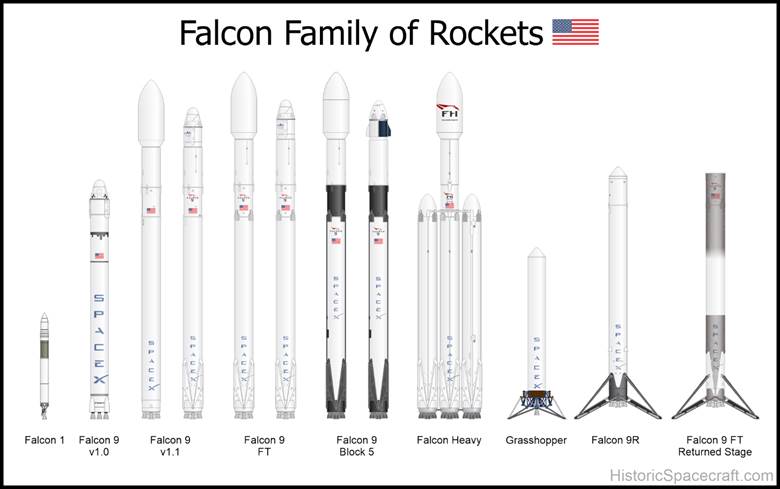
- Launch and space systems: Falcon 9, Falcon Heavy, Dragon, and the Starship development program.
- Starlink: a global satellite broadband business that provides consumer, enterprise, aviation, maritime, and government connectivity.
The S-1 and coverage around it make clear that Starlink is now the largest disclosed revenue driver, while launch remains strategically important and contract-heavy
Source: Historic Spacecraft
SpaceX: The xAI merger and Corporate Strategy
SpaceX’s IPO filing comes shortly after the company folded in Elon Musk’s AI business, xAI, which includes Grok and the X platform footprint. Coverage of the filing highlights that SpaceX is now asking public investors to underwrite not just rockets and satellites, but also AI product and platform risks, including safety, privacy, and litigation exposure.
Regardless, the combined company now includes Starlink broadband, Grok AI and related AI products, SpaceX rockets and satellite innovation, and the social platform X indirectly via the xAI subsidiary. Leadership and structure within xAI have been reorganized post merger, with some original founders departing as part of the integration effort and “execution speed” objectives.
The Latest SpaceX IPO Timing
SpaceX has not yet published final pricing terms, but multiple outlets reporting on the S-1 point to an early-to-mid June 2026 window.
Key dates cited in the S-1 filing include:
- Investor presentations expected to begin June 4, 2026
- A widely reported target trading date around June 12, 2026
These dates can still move, but the process has shifted from “speculation” to a live public timetable.

Source: Genuine Impact Substack
SpaceX Venture Capital Funding History
Below is a table summarizing major SpaceX fundraising milestones over the company’s private history (based on reported rounds from private market trackers). Note that exact amounts and dates vary depending on secondary market data and private disclosures because SpaceX does not publish full details publicly:

SpaceX IPO: Valuation
Reporting around the S-1 filing clusters around a roughly $1.75 trillion valuation goal, with fundraising ambitions discussed in the $70 billion to $80 billion range. A successful SpaceX IPO at these levels would rank as, by far, the largest in history.

Source: Renaissance Capital
Please note, an S-1 does not always include a price range immediately, and valuation targets are ultimately set during the roadshow and bookbuilding process.
SpaceX IPO: Key Numbers From The S-1
The filing includes the most detailed financial snapshot SpaceX has ever provided publicly. Highlights reported from the S-1 coverage include:
- 2025 revenue: $18.7 billion
- 2025 operating result: reported as an operational loss of about $2.6 billion in the prospectus
- Q1 2026 net loss: about $4.27 billion
- Starlink 2025 operating income: about $4.4 billion
One of the most notable S-1 disclosures is the scale of SpaceX’s AI infrastructure monetization. Coverage of the filing states Anthropic agreed to pay $1.25 billion per month through May 2029 for access to SpaceX-linked data center capacity.
That single contract is large enough to reshape how investors think about SpaceX’s “beyond Starlink” revenue mix.
Why SpaceX Is Going Public
The S-1 framing and deal reporting imply the IPO is designed to fund extremely capital-intensive priorities, including:
- Starship development and launch cadence scaling
- Continued Starlink expansion and network upgrades
- AI infrastructure buildout, including data centers and compute capacity
- Liquidity for employees and early investors
In short, the ambitions are enormous, and the capital needs are, too.
SpaceX IPO: Ownership and Control
A core IPO feature is expected to be founder control. AP’s summary of the prospectus notes governance provisions that preserve Musk’s influence and tie compensation and incentives to long-term goals.
This matters because investors should expect SpaceX to trade more like a controlled company than a shareholder-led one.
SpaceX IPO: Publicly Traded Proxies And Competitors
SpaceX is still pre-IPO. For investors who want exposure today, the practical approach is to use public proxies that map to parts of SpaceX’s ecosystem: launch services, satellite connectivity, aerospace and defense, and space infrastructure.
Launch And Space Systems Proxies
- Rocket Lab (): often viewed as the closest public launch peer, though far smaller in scale
- Boeing (): space and defense exposure alongside commercial aviation
- Lockheed Martin (), Northrop Grumman (), Rtx (): defense primes with significant space programs
Starlink-Adjacent Satellite Connectivity Names
- Iridium ()
- Viasat ()
- EchoStar ()
- Globalstar ()
- AST SpaceMobile ()
These are not substitutes for Starlink, but they are the listed equities most commonly associated with the satellite connectivity theme.
Space And Defense ETFs
For a basket approach, these are commonly used “one-ticket” options:
- Procure Space ETF ()
- ARK Space Exploration & Innovation ETF ()
- iShares U.S. Aerospace & Defense ETF ()
SpaceX’s markets are broad:
- Launch services: Blue Origin, United Launch Alliance (ULA), Arianespace
- Satellite broadband: OneWeb, Amazon’s Project Kuiper, traditional telecoms
- AI and computing infrastructure: Major cloud and AI firms like Google, Microsoft, Amazon
SpaceX Leadership
Elon Musk leads as CEO and Chief Engineer. Gwynne Shotwell serves as president and COO and plays a central role in commercial and government business operations. Management of xAI’s AI products continues under its subsidiary structure.
SpaceX IPO: Key Risks To Understand
Based on the S-1 reporting and typical IPO risk profiles, the biggest investor issues to consider include:
- Capital intensity and ongoing losses alongside massive investment cycles
- Concentration and policy risk tied to government contracts
- Execution risk on Starship and next-generation Starlink plans
- AI-related regulatory, safety, and litigation exposure from xAI and Grok
- Controlled-company governance that limits shareholder influence
SpaceX IPO: Conclusion
SpaceX is no longer an “IPO rumor.” The recent S-1 filing puts real financials, real contracts, and real risk factors into the public domain. Current reporting points to investor presentations starting June 4 and a widely discussed June 12 listing window, with valuation talk centered around about $1.75 trillion and fundraising ambitions discussed up to $70 to $80 billion.
5 Stocks Our Experts Predict Could Double In the Next Year
By submitting your email, you'll also get a free pivot & flow membership. A free daily market overview. You can unsubscribe at any time.