Key Points
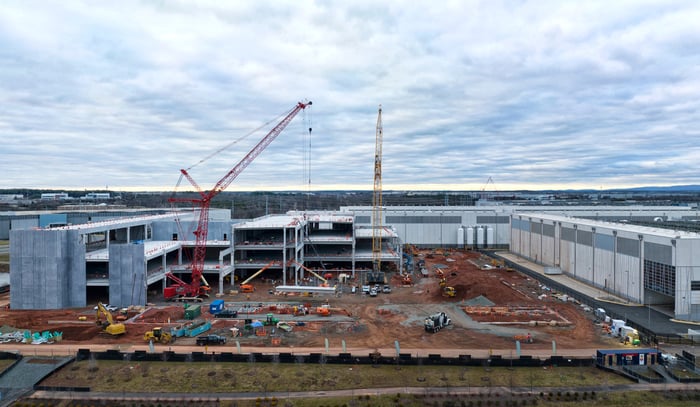
The global data center build-out is well on its way. According to consensus estimates, tech companies are expected to deploy roughly $800 billion in capital this year to scale AI infrastructure. Investment is only expected to grow from here. Research from McKinsey & Co. projects AI capex to reach $7 trillion globally by 2030. The consulting group calls it “one of the largest infrastructure build-outs in modern history.”
Other analysts are more cautious. Research from AllianceBernstein observes:
Missed Nvidia in 2009? This Rare Signal Is Flashing Again. In 2009, a “Double Down” signal flashed for a little-known chipmaker called Nvidia. For the first time in years, that same “Total Conviction” signal is flashing for a company 1/100th the size of Nvidia. Continue »
The use cases of AI are slowly emerging, albeit it’s frankly too early to really lay out a high confidence path. However, memories of the tech bubble frequently emerge in conversations with clients, as do analogies with the railway-building frenzy of the nineteenth century and other episodes where the adoption and economic benefits of a new technology took much longer than investors first hoped, and where the ultimate beneficiaries were not clear.
Unlike in previous capex waves, however, AI companies are largely backing up the fervor with real-world revenue growth. The industry is also spearheaded by companies with massive valuations and largely profitable core businesses, allowing them to raise capital and invest aggressively over time. This reality has Goldman Sachs predicting that high capex forecasts could understate the scale of investment in 2026.
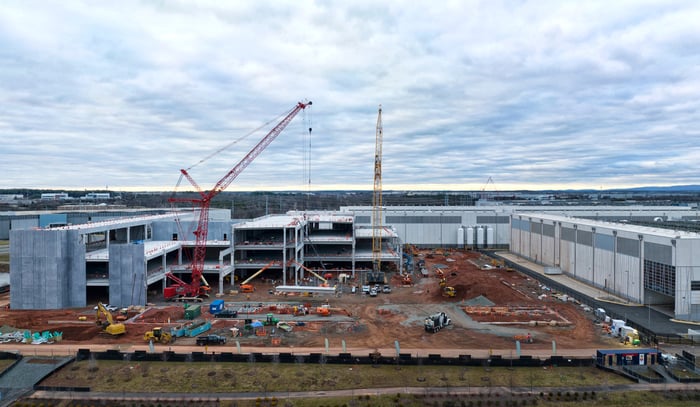
Image source: Getty Images.
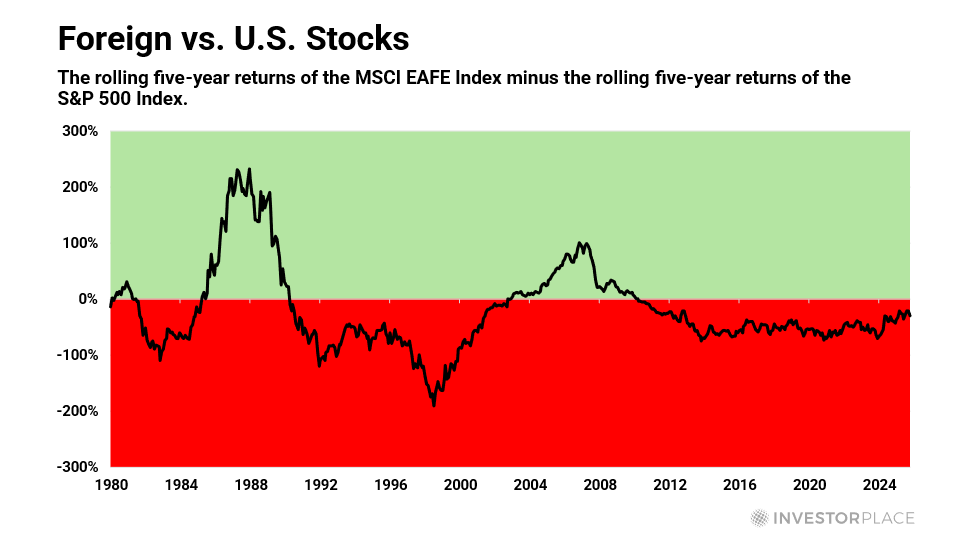
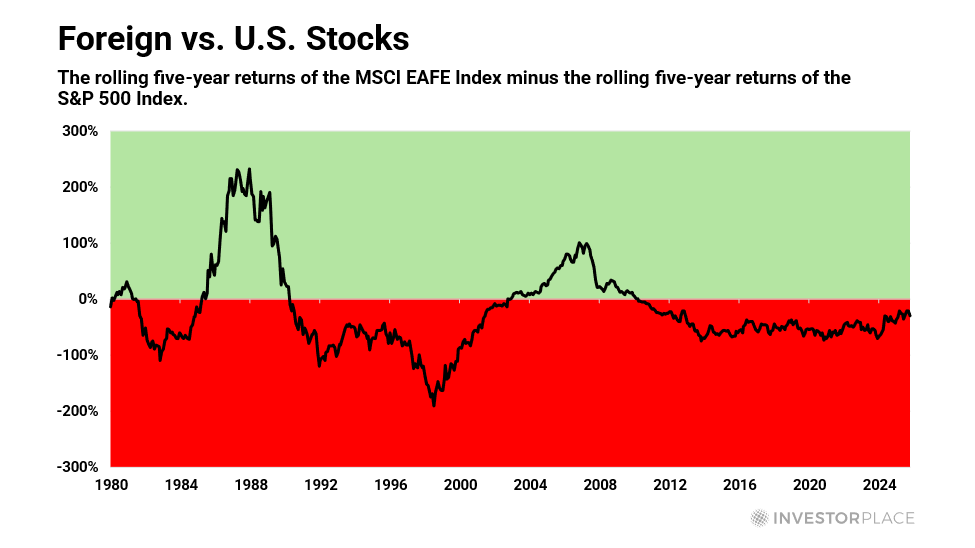
Instead of consensus estimates calling for $800 billion in AI capex this year, Goldman Sachs thinks the true number will be closer to $1 trillion. Due to reporting differences, the bank’s analysts think U.S. spending might be lower than expected. In contrast, global spending and spending by private AI companies should come in more than $200 billion over expectations. That’s because, according to Goldman Sachs, most market estimates “do not include investment in AI by private companies or by companies outside the U.S. — including firms in Asia.”
How should investors be betting on higher-than-expected AI capex outside the U.S.? There are two obvious strategies.
1. Bet on the global AI leader
When it comes to AI investing, it’s hard to ignore Nvidia (NASDAQ: NVDA), regardless of the investment framework. Nvidia is not only the biggest AI company in the world, but it’s also the biggest company in the world, period. Its graphics processing units (GPUs) are widely regarded as the best on the market. While hardware leaders come and go over time, Nvidia’s strong investments in software — particularly its focus on the CUDA developer platform — make the company’s products “stickier” than most traditional hardware businesses. Plus, Nvidia’s access to capital is a serious advantage at a time when customers are demanding GPU production to scale as quickly as possible.
U.S. companies are Nvidia’s largest customers, and roughly 10% of its revenue comes from Taiwan. Chinese companies used to be significant sources of revenue, but that’s all but vanished — it’s clear that Nvidia is a U.S.-centric business.
Then why is the company attractive, given Goldman Sachs’ estimates? Because Nvidia still has the industry’s leading hardware, and it’s investing heavily in international growth. Last year, it announced more than 40 international partnerships, up from just 15 the year before. Nvidia is already on pace to exceed those figures in 2026.
According to one industry analyst, Nvidia’s “growth story used to be American hyperscalers. Since 2025, their geographical mix has turned international.”
2. Invest in AI stocks exposed to Asia
Investors can also opt to invest in AI stocks already exposed to Asia. Qualcomm (NASDAQ: QCOM), for example, is generating nearly half of its 2025 revenues from China. More than one-quarter of sales came from South Korea and other foreign countries.
Qualcomm is primarily focused on producing high-end mobile chipsets for smartphones. As AI adoption moves toward edge devices, the company has a direct opportunity to benefit. The company is also moving more aggressively into data center components. Qualcomm expects at least $15 billion in data center revenue by 2029.
To be sure, Qualcomm isn’t nearly as exposed to AI as Nvidia — at least for now –, but that picture is quickly changing. Trading at just 19 times earnings, Qualcomm looks like a much cheaper way to invest in the AI economy, though geopolitical risks and a stagnating core business complicate the investment thesis.
Should you buy stock in Nvidia right now?
Before you buy stock in Nvidia, consider this:
The Motley Fool Stock Advisor analyst team just identified what they believe are the 10 best stocks for investors to buy now… and Nvidia wasn’t one of them. The 10 stocks that made the cut could produce monster returns in the coming years.
Consider when Netflix made this list on December 17, 2004… if you invested $1,000 at the time of our recommendation, you’d have $440,710!* Or when Nvidia made this list on April 15, 2005… if you invested $1,000 at the time of our recommendation, you’d have $1,335,252!*
Now, it’s worth noting Stock Advisor’s total average return is 978% — a market-crushing outperformance compared to 213% for the S&P 500. Don’t miss the latest top 10 list, available with Stock Advisor, and join an investing community built by individual investors for individual investors.
*Stock Advisor returns as of August 31, 2026.
Ryan Vanzo has no position in any of the stocks mentioned. The Motley Fool has positions in and recommends Goldman Sachs Group, Nvidia, and Qualcomm. The Motley Fool has a disclosure policy.
5 Stocks Our Experts Predict Could Double In the Next Year
By submitting your email, you'll also get a free pivot & flow membership. A free daily market overview. You can unsubscribe at any time.