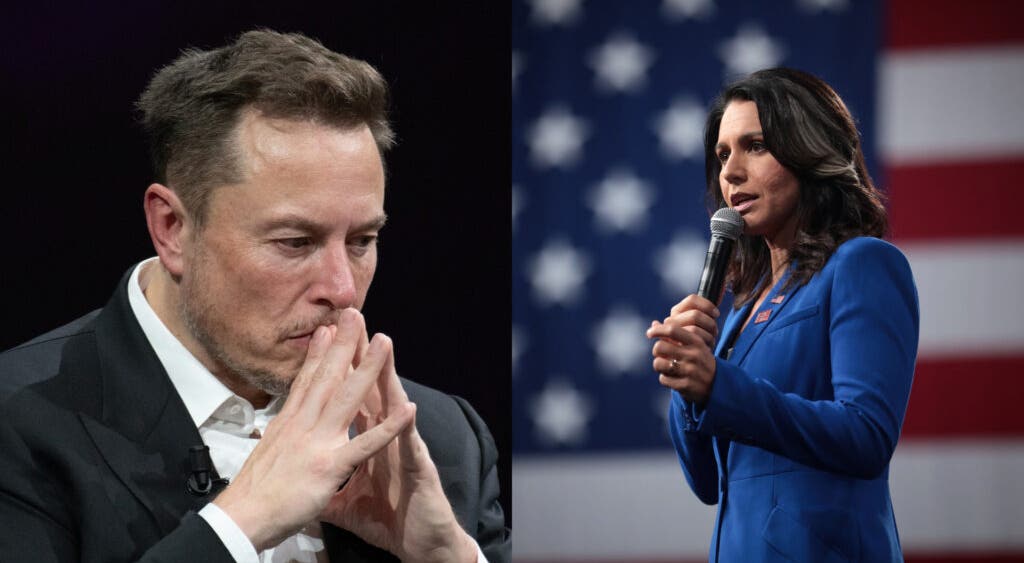
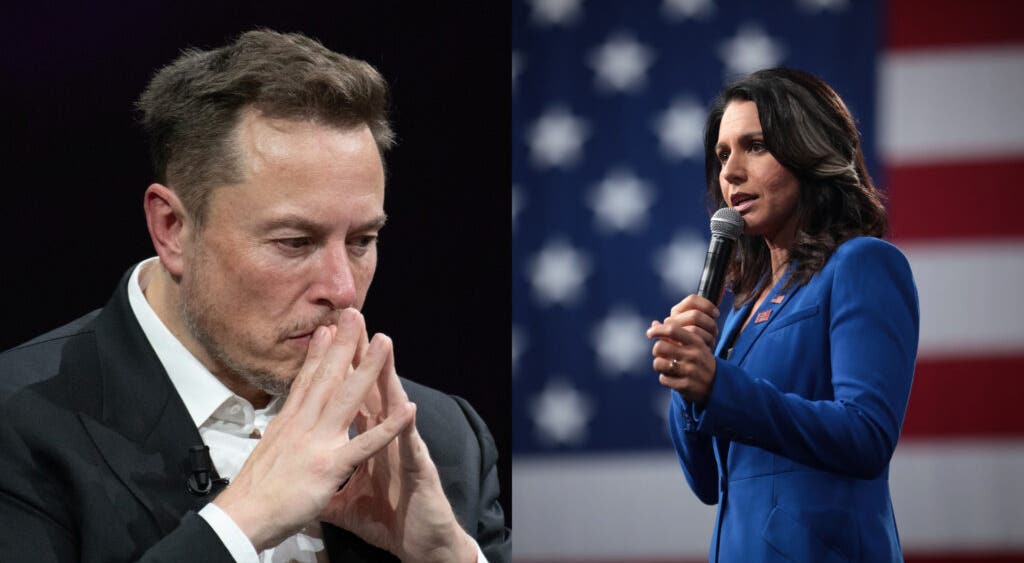
Former Democratic Representative Tulsi Gabbard has highlighted concerns about the proposed TikTok ban legislation, emphasizing the potential threat it poses to freedom of speech and social media platform operations.
Examining the Bill: Gabbard expressed apprehension over the bill’s implications, which he believes could empower the U.S. government to exert significant control over online discourse and the functioning of social media platforms, as discussed on the Lex Fridman Podcast.
She cautioned that the legislation, currently expedited through Congress under national security pretexts, would enable the executive branch to dictate the acceptability of social media platforms for American users.
Additionally, the bill would authorize the government to label individuals with a minimum 25% stake or ownership in a social media platform as beholden to a foreign adversary, potentially resulting in the platform’s expulsion from U.S. markets and necessitating divestiture by the individual.
Gabbard cautioned that while ByteDance Ltd.-owned TikTok appears to be the primary target, the bill’s broad language could enable the government to wield this power against a spectrum of social media platforms and businesses.
She speculated that entities like Tesla Inc. CEO Elon Musk’s X, formerly known for its association with Twitter, could be at risk of government scrutiny and potential repercussions.
The underlying concern, she posited, is the legislation’s potential to compel platforms into compliance to avoid being barred, thus risking intensified internet censorship.
Highlighting the Significance: The proposed TikTok ban legislation has sparked significant debate. Its passage in the House earlier this year has raised alarms among influencers and tech leaders regarding the specter of heightened online restrictions.
Against this backdrop, Musk’s apprehensions have emerged amid escalating bipartisan consensus on the bill, with voices like venture capitalist David Sacks criticizing the disproportionate focus on TikTok vis-à-vis other national security concerns.
Conversely, certain factions have expressed support for the bill, with figures such as startup accelerator Y Combinator co-founder Paul Graham endorsing the TikTok ban as imperative.
On the opposing end, Sen. Joe Manchin (D-W.Va.) has advocated for the ban as essential to safeguarding American interests.
Looking Forward: Musk and Gabbard’s warnings, alongside the broader discourse, shed light on the profound ramifications of the proposed TikTok ban legislation in redefining the regulatory landscape for social media platforms.
As stakeholders navigate this turbulent terrain, the evolving narrative underscores the crucial intersections between national security imperatives, online freedom, and the entrepreneurial ecosystem.
5 Stocks Our Experts Predict Could Double In the Next Year
By submitting your email, you'll also get a free pivot & flow membership. A free daily market overview. You can unsubscribe at any time.