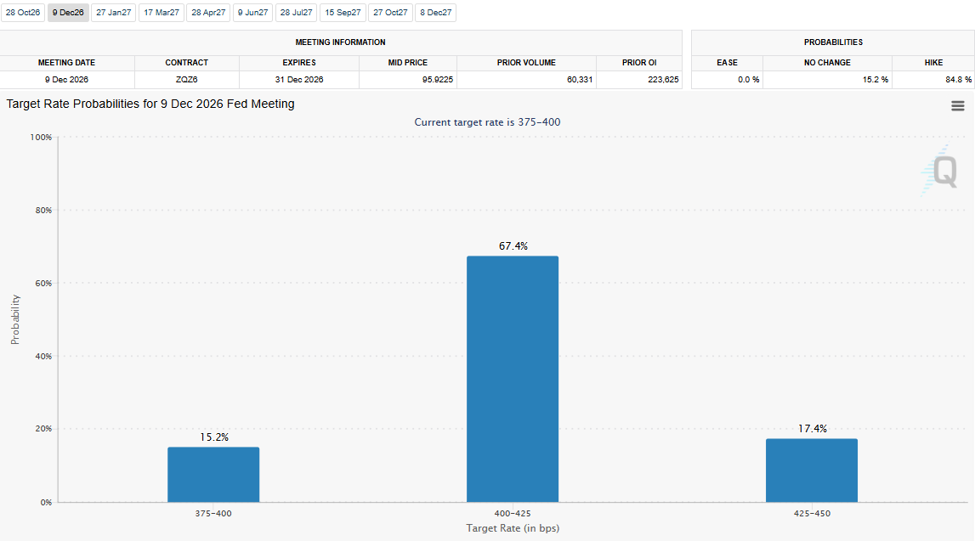
With the markets preparing to open on a potentially auspicious Friday morning, recent data from the Bureau of Economic Analysis has injected a dose of optimism. The core personal consumption expenditures price index surged 0.2% in June, surpassing estimates to mark a year-over-year increase of 2.6%. This positive momentum hints at a looming rate hike by the Federal Reserve in September, offering a silver lining on the horizon.
Reflecting on a previous article penned in August, identifying three stocks with notable options activity, all sharing the peculiarity of single-letter stock symbols like Ford (F). Amidst this trio, Ford’s fortunes have been painted with volatility, notably evidenced by a startling 18.4% plunge in shares post its Q2 2024 results. This tumultuous descent represents Ford’s steepest market decline since 2000, putting the automotive giant under considerable scrutiny.
Ford’s Bumpy Ride
While my prior optimism in Ford’s resurgence may have been premature, the reality check is here. The revealed financials show a bleak picture, with Ford hemorrhaging $4.5 billion in its EV business in 2023. The company’s bold bet on electric vehicles is testing investor confidence, with the North American charging network poised to be a pivotal turning point.
Notwithstanding this setback, the selling of puts as an income-generating strategy remains viable. Despite Ford’s struggle, maintaining a strategic perspective on the company’s long-term potential is crucial. The recent past may be muddy, but the future holds promise for patient investors.
Deciphering Ford’s Challenges
Amidst soaring warranty payments, Ford’s financials are under the microscope. The $2.86 billion payouts in the first half of 2024 signify a 42% surge from the preceding year, raising concerns about the company’s bottom line. CFO John Lawler’s reassurance of an impending turnaround in warranty costs offers a glimmer of hope, hinting at a brighter future for the embattled automaker.
Although challenges loom large, Ford’s financial forecast for 2024 remains resilient. Anchored by adjusted EBIT projections of $11 billion and adjusted free cash flow estimated at $8 billion, investors have reason to retain cautious optimism. With quality improvements expected to bolster Ford’s performance, the potential for a rebound is not entirely out of reach.
Evaluating Ford’s Options Activity
In the realm of options trading, Ford presents an intriguing yet volatile prospect. Recent market fluctuations have seen 17 unusually active options on Ford, offering a mix of risk and reward for savvy traders. Amidst the market’s turbulence, delving into Ford’s options landscape requires a prudent approach to navigate potential pitfalls and capitalize on fleeting opportunities.
While Ford’s options market buzzes with activity, prudent traders would do well to tread with caution. The volatile landscape demands strategic acumen to maneuver effectively and capitalize on fleeting opportunities.
The Remaining Two Stocks
Shifting focus to the other actors in the options show: Agilent Technologies (A) and U.S. Steel (X). While U.S. Steel continues to captivate market attention with its flurry of options activity, Agilent Technologies presents a more subdued picture, perched on the sidelines amidst fluctuating market dynamics.
The impending deal between Nippon Steel (NPSCY) and U.S. Steel, steered by former Secretary of State Mike Pompeo, paints a complex regulatory landscape. Against a backdrop of political opposition, uncertainties swirl around the $14.1 billion acquisition, stressing the need for vigilant risk assessment in the face of regulatory hurdles.
With decisions looming over the horizon, the prudent investor navigates this complex options terrain with cautious optimism, poised to seize opportunities while weathering market storms with strategic resilience.
5 Stocks Our Experts Predict Could Double In the Next Year
By submitting your email, you'll also get a free pivot & flow membership. A free daily market overview. You can unsubscribe at any time.